
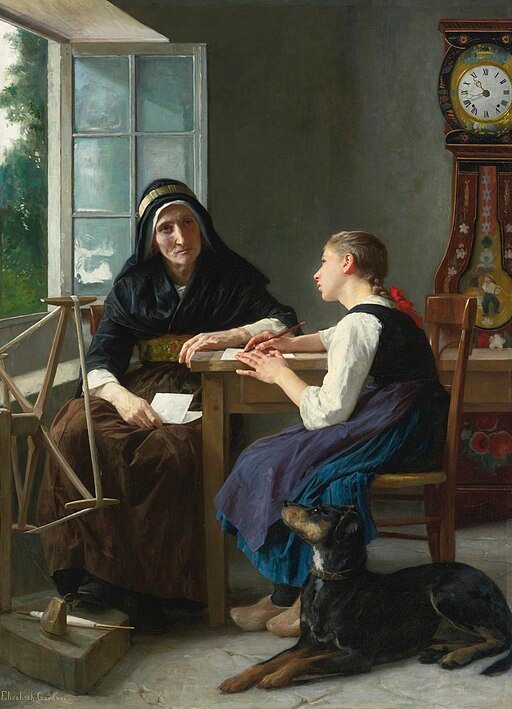
If homeschool feels like ping-pong—one day you’re the drill sergeant, the next you’re the doormat—there’s a steadier path. Psychologist Diana Baumrind described three parenting styles—authoritarian, permissive, and authoritative—based on how parents blend warmth (responsiveness) with structure (demandingness). Maccoby & Martin later added a fourth: uninvolved/neglectful. Because home and school share space in homeschooling, your “style climate” drives attention, motivation, and recovery after conflict. Below, we’ll clarify the first three styles and common pitfalls—then finish with the authoritative approach you can start practicing today.
Authoritarian (strict + low warmth) is control without enough connection. Compliance comes fast; honesty, curiosity, and initiative do not. It sounds like “Because I said so,” extra pages assigned in anger, or week-long groundings with no path to repair. Work gets done, but relationships fray, and kids often are sneaky and try to hide. If you notice this drift, keep the limit BUT add warmth.. Keep a boundary, but offer choice within that boundary.
Permissive (warm + few limits) is connection without a backbone. Rules are not consistent, follow-through fades, and kids may feel lots of warmth but no safety because there are no clear expectations or boundaries. In a homeschool, this looks like daily late starts, “just this once” screen exceptions that repeat, and chores that slide because conflict is exhausting. To remedy this, we don’t need to swing to harshness, but to clear expectations with consequences. Start with deciding on one to three non-negotiables and practice keeping this boundary with kindness but firmness.
Uninvolved/Neglectful (low warmth + low structure) is disengagement—often born of depletion, depression, or overwhelm. Kids feel “on my own,” routines unravel, and both learning and relationships suffer. If this describes a season, start tiny and compassionate: one daily connection (a five-minute check-in or read-aloud), one predictable routine (a bedtime window), and one clear expectation (devices dock at 8:30). Trim to core academics for a month and borrow help so you can recover. Warmth and structure are rebuilt by inches, and every inch matters.
Many homes also face co-parent polarization. One parent may be more authoritarian, so the other parent softens to balance out the strictness. This leads to children being confused and going to the permissive parent for requests. I suggest that in these instances, you have conversations seeking to align your values and working together to come into unity. Back each other publicly and discuss disagreements about parenting styles privately.
Authoritative (warm + firm) is connection with a backbone—and it’s where we want to land. You’re emotionally available, you explain the “why,” you set clear limits, and you teach missing skills. Authoritative homes run on visible routines, not endless talking. Keep rules few, positive, clearly communicated, and tied to values. Follow through consistently with warmth. A child who resists math hears: “I get that you’re frustrated. We’ll do one practice page. Timer or partner?” Daily life feels predictable—Morning Launch, Study Block, Wrap + Reset—and kids build self-control, internal motivation, and social confidence because they practice regulation, problem-solving, and repair.
This scripture in D&C 121: 41-43 aligns with this style perfectly: “No power or influence can or ought to be maintained by virtue of the priesthood, only by persuasion, by long-suffering, by gentleness and meekness, and by love unfeigned; By kindness, and pure knowledge, which shall greatly enlarge the soul without hypocrisy, and without guile—Reproving betimes with sharpness, when moved upon by the Holy Ghost; and then showing forth afterwards an increase of love toward him whom thou hast reproved, lest he esteem thee to be his enemy;”
Two literary mentors are beautiful concrete examples of authoritative parenting. Marmee March in Little Women pairs tenderness with expectation. After Jo’s blow-up, she admits, “I am angry nearly every day of my life… but I have learned not to show it.” Then Marmee teaches. She also turns values into action where she invites her children to share their Christmas breakfast with the Hummels who are in great need.
Atticus Finch in To Kill a Mockingbird blends empathy with standards. When Jem destroys Mrs. Dubose’s camellias, Atticus assigns a logical repair—reading to her—then reframes courage as doing the hard right and seeing it through. His advice to Scout—consider another’s point of view—doesn’t erase boundaries; it informs behavior.
Homeschool doesn’t need more pressure—it needs a steadier climate. When we lead with warmth and pair it with clear, consistent limits, our homes become places where children feel safe enough to try, fail, repair, and try again. That’s the heart of authoritative parenting and the spirit of D&C 121: connection first, correction in love, and an increase of love afterward. If your home has leaned strict or soft—or you and your spouse have seesawed between the two—take courage: unity grows as you align on values and openly communicate. That’s Christ-centered homeschooling in action—leading the way the Savior teaches us to lead—and the path to a truly Joyful Homeschool.